PEPTIDES FOR HAIR GROWTH
RESEARCH REFERENCE · COPPER PEPTIDE · FOLLICLE BIOLOGY
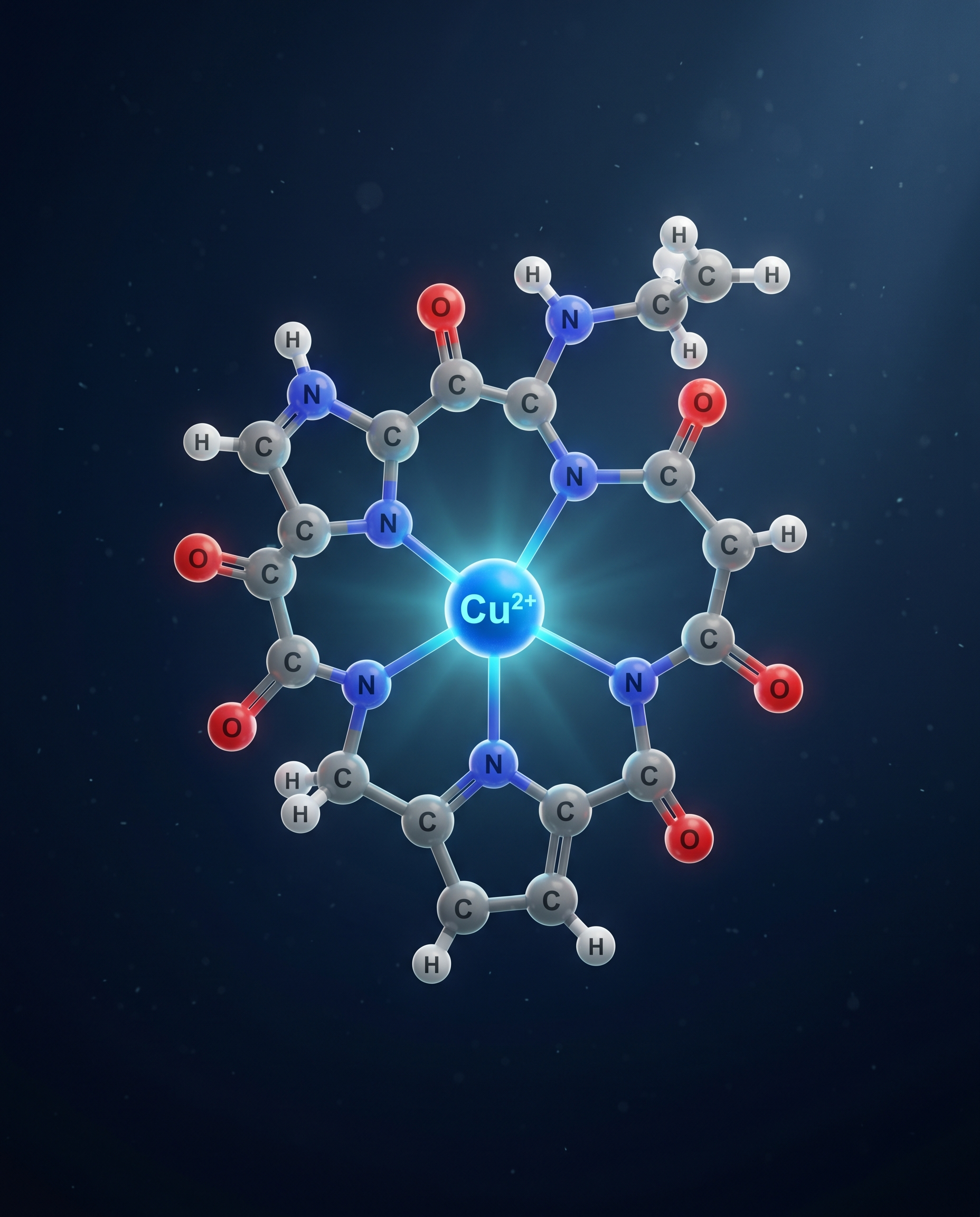
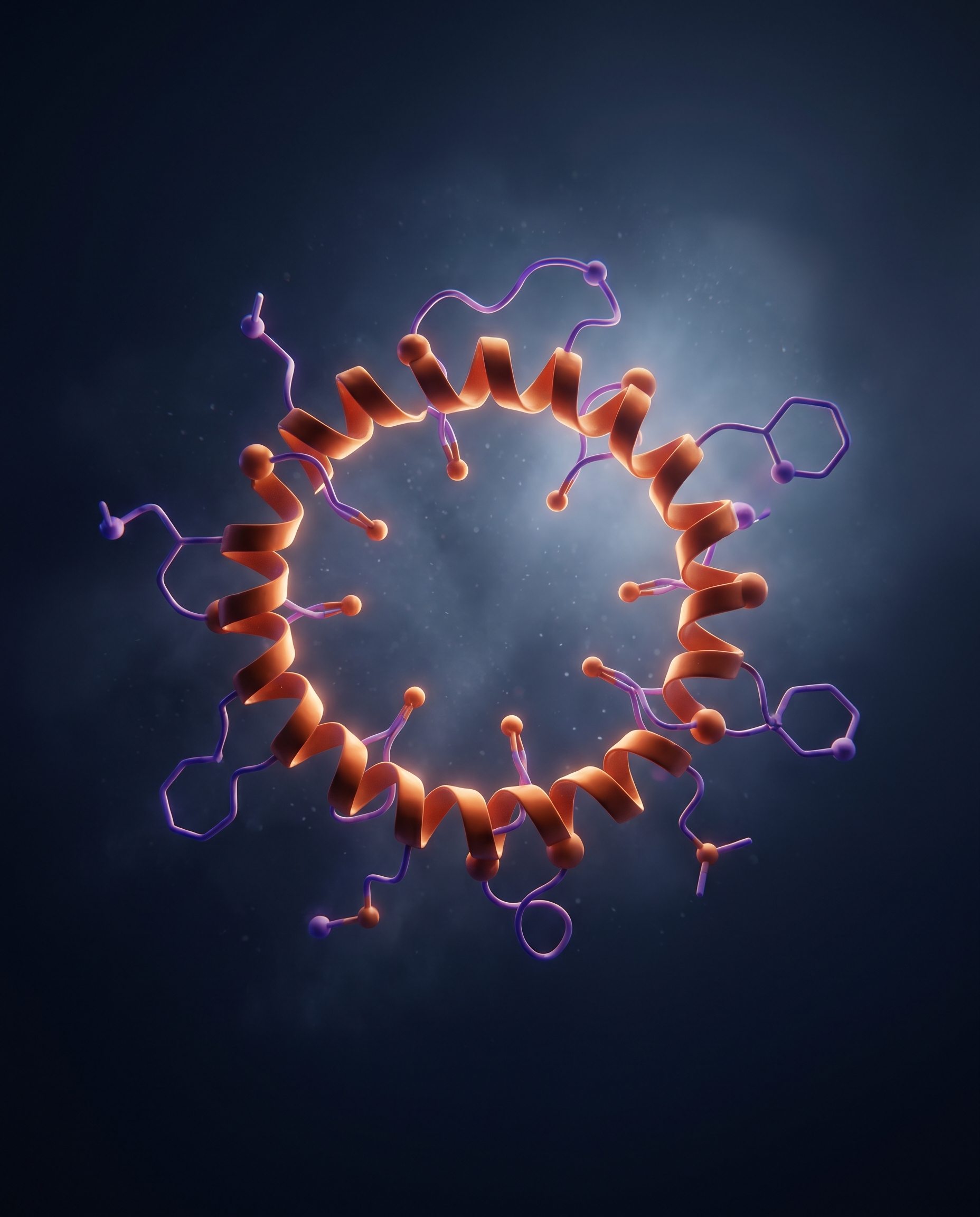
GHK-Cu (glycyl-L-histidyl-L-lysine copper) is the most-studied research peptide in the hair-growth space. Mechanistically it binds copper(II), modulates growth-factor signaling, and remodels the extracellular matrix. Several small clinical and follicle-biology studies report increased anagen-phase duration, dermal-papilla cell proliferation, and follicle size with topical application. PT-141 (bremelanotide) is a melanocortin-receptor agonist studied for separate indications; melanocortin signaling intersects skin and follicle pigmentation, included here as adjacent reference. The dermatology gold-standard hair treatments (finasteride, minoxidil, dutasteride) are not peptides and have separate evidence stacks.
COMPOUND CLUSTER · 2 ENTRIES
FAQ
▶ Does GHK-Cu cause hair growth in studies?
Several in-vitro and small clinical studies report increased hair follicle size, anagen-phase duration, and dermal-papilla cell proliferation with GHK-Cu application. Animal studies (mouse, rabbit) show hair-regrowth signal at wound sites. Human evidence is mostly small-N follicle and biopsy studies rather than dermatology-grade randomized trials. The mechanistic basis is copper-binding modulation of growth-factor signaling and matrix remodeling.
▶ Copper peptide vs GHK-Cu serum · what's the difference?
GHK-Cu is the specific tripeptide glycyl-L-histidyl-L-lysine bound to copper(II). Generic copper-peptide skincare products may use related or de-novo peptide-copper complexes. GHK-Cu is the most studied of the family. Topical serum concentrations vary widely between consumer products. Research-grade material is supplied as a chemical reference compound, distinct from any cosmetic formulation.
▶ Are peptide hair products evidence-backed?
Topical GHK-Cu has the strongest mechanistic and small-clinical evidence base in the peptide hair space. Most consumer copper-peptide products have limited published evidence for finished-product efficacy at the actual concentration used. The dermatology gold standards for hair (finasteride, minoxidil, dutasteride, topical PG-F2-alpha analogs) are distinct from peptide compounds and have separate evidence stacks.
▶ How long for GHK-Cu hair effects in research?
Published wound-healing studies on GHK-Cu typically run 8 to 12 weeks. Hair follicle studies on copper peptide application range from 4 to 24 weeks. The compound page at /peptides/ghk-cu lists the citation set with PMIDs and trial durations. GigaResearch does not recommend any human dose or protocol.
RELATED
SOURCED FROM GIGACOMPOUNDS
Research-grade reference compounds available at GigaCompounds · ≥99% purity · per-batch CoA. For laboratory research use only.