5-AMINO-1MQ VS NAD+
5-amino-1MQ and NAD+ both intersect with the NAD+ longevity axis, but from opposite ends. 5-amino-1MQ is a small-molecule selective inhibitor of NNMT (nicotinamide N-methyltransferase) · blocking NNMT raises intracellular nicotinamide and SAM pools. NAD+ is the endogenous redox coenzyme itself, the obligate substrate of sirtuins, PARPs, and CD38. Indirect upstream inhibitor vs the coenzyme.
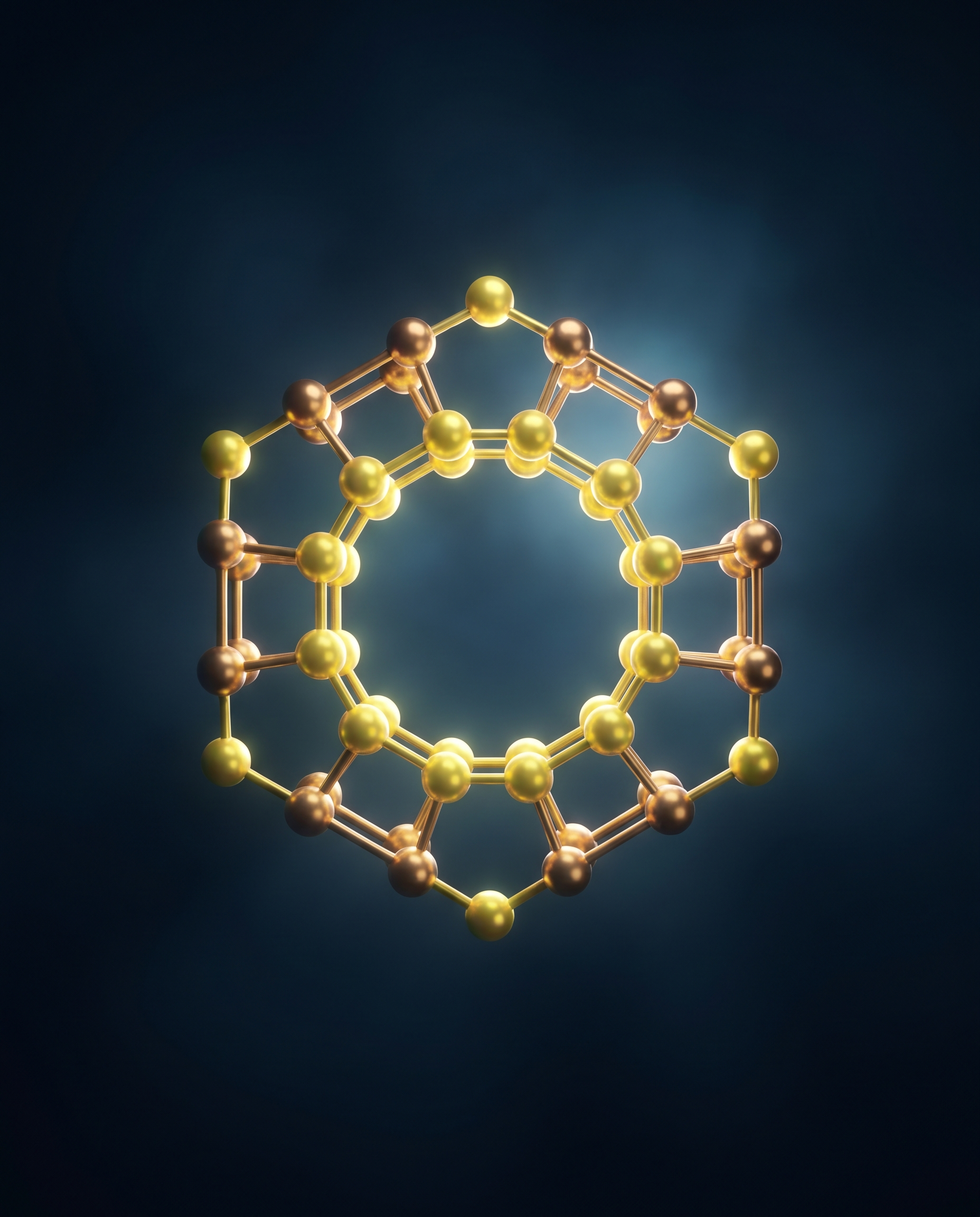
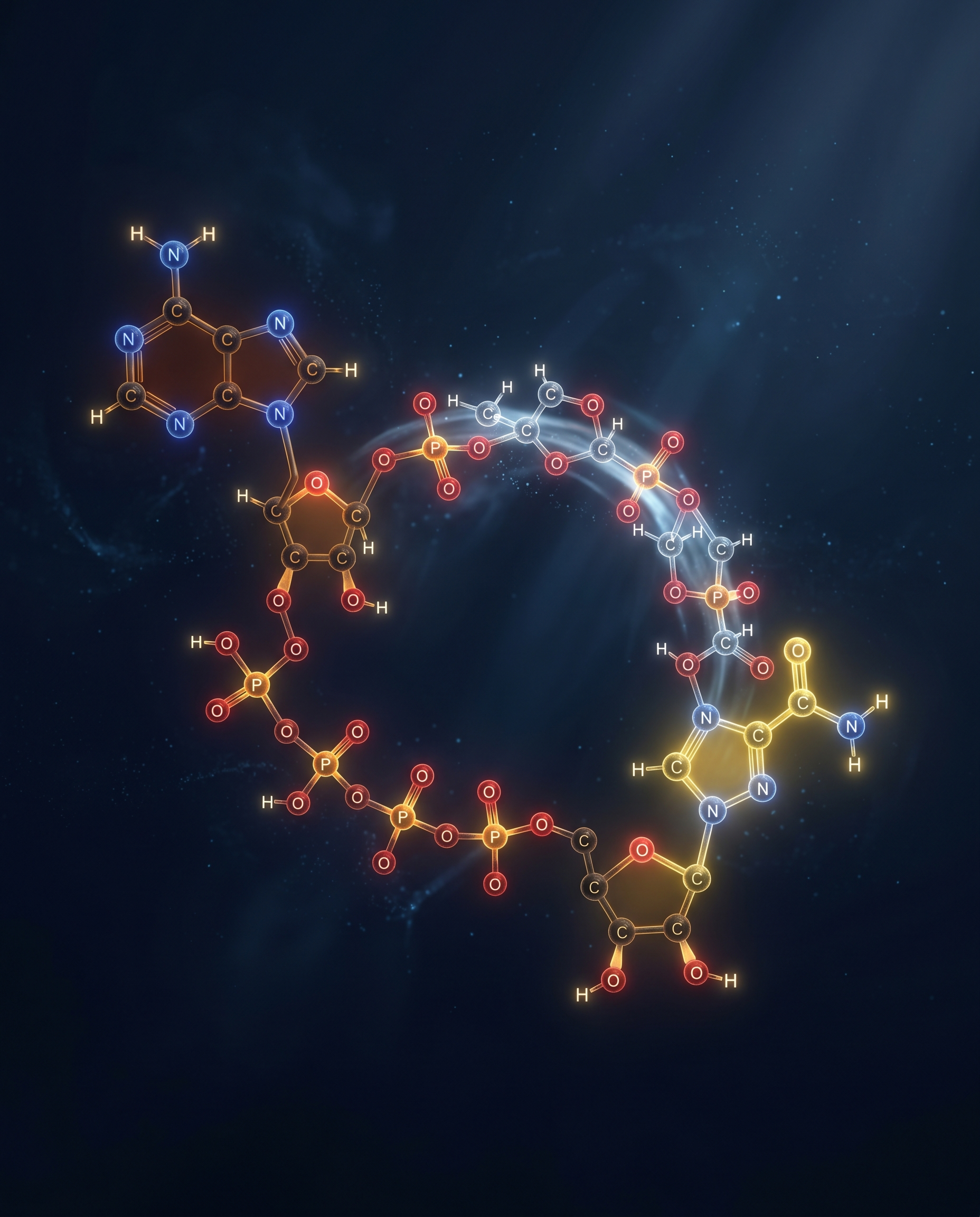
SIDE BY SIDE
WHICH IS BETTER · BY GOAL
Neelakantan 2017 reported reduced adipose mass in DIO mice with 5-amino-1MQ without changes in food intake. NAD+ direct administration is not framed as a body-composition mechanism.
Sirtuins and PARPs are NAD+-dependent enzymes; activity scales with NAD+ availability. This is direct NAD+ biology, not NNMT-inhibitor biology.
5-amino-1MQ is reported to be oral-bioavailable in animal studies. Direct NAD+ has poor membrane permeability; oral precursors (NR / NMN) are the practical NAD+-raising route.
NAD+ is the centerpiece of cellular bioenergetics with decades of established literature. 5-amino-1MQ is a relative newcomer (mostly preclinical, no completed human Phase 2/3).
STACKING NOTE
5-amino-1MQ and NAD+/precursors target the same downstream goal (raise intracellular NAD+) from different angles. No published RCT studies the combination; the mechanistic framing is upstream NNMT inhibition + direct precursor supplementation = combined NAD+ pool support.
SOURCED FROM GIGACOMPOUNDS
Both compounds are available as research-grade material at GigaCompounds · ≥99% purity · per-batch CoA. For laboratory research use only.