ADAMAX VS BPC-157
Adamax and BPC-157 are two tissue-protective research peptides with different origins. Adamax is an EPO-derived peptide analog related to ARA-290 / cibinetide, engineered to activate the innate-repair-receptor (IRR · EPOR + βcR heterocomplex) without stimulating red-blood-cell production. BPC-157 is a 15-aa gastric-origin pentadecapeptide acting through VEGF, NO, and growth-hormone-receptor upregulation. Different receptor pathways, both framed as tissue-protective.

ARA-290 peptide analog · tissue-protective research compound
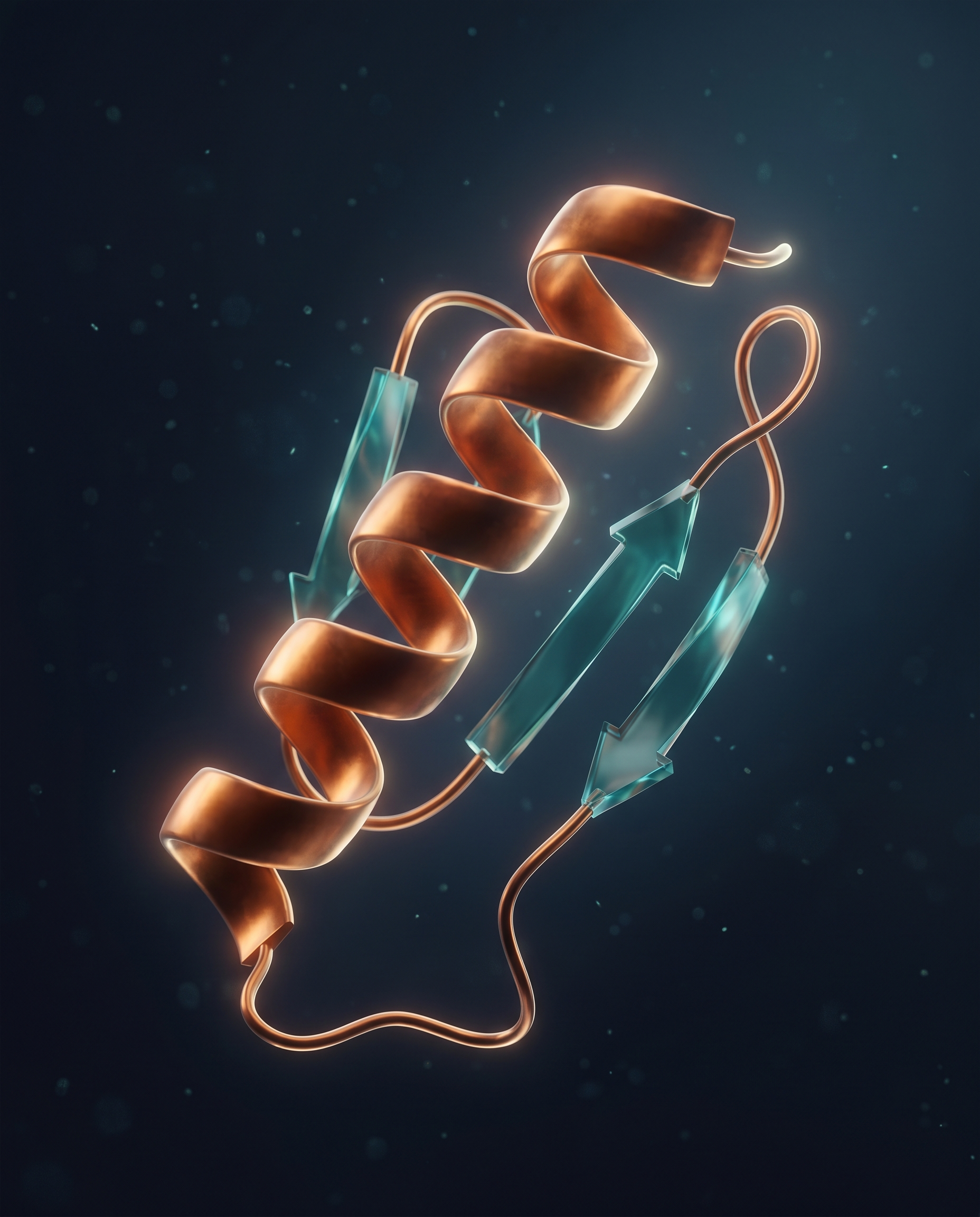
Pentadecapeptide Cytoprotection
SIDE BY SIDE
WHICH IS BETTER · BY GOAL
ARA-290 (the closest characterized analog) has small-cohort clinical data in sarcoidosis-related small-fiber neuropathy and rodent diabetic-neuropathy models. BPC-157 is not specifically studied in peripheral neuropathy.
BPC-157 has the Sikiric multi-paper rat-model evidence base for gastric and intestinal cytoprotection. Adamax is not specifically studied in GI research.
Animal-model evidence for BPC-157 in Achilles detachment and transected quadriceps. Adamax is not specifically studied in tendon/ligament biology.
Adamax is the engineered probe for IRR activation without RBC stimulation. BPC-157 does not engage the EPO/IRR axis.
STACKING NOTE
Adamax and BPC-157 act on different receptor systems (IRR vs VEGF/NO/GHR) and could in principle complement each other in tissue-protective research, but no published study examines the combination. Buyers researching the tissue-protective category typically use each as a standalone reference compound.
SOURCED FROM GIGACOMPOUNDS
Both compounds are available as research-grade material at GigaCompounds · ≥99% purity · per-batch CoA. For laboratory research use only.