GHK-Cu VS BPC-157
GHK-Cu and BPC-157 are two of the most-asked tissue-repair research peptides. GHK-Cu is a copper-binding tripeptide that drives transcriptional collagen + matrix synthesis in dermal fibroblasts (skin-side biology). BPC-157 is a 15-aa gastric-origin pentadecapeptide acting through VEGF, NO, and growth-hormone-receptor upregulation (gut + connective-tissue cytoprotection). Different tissue targets, complementary mechanisms.
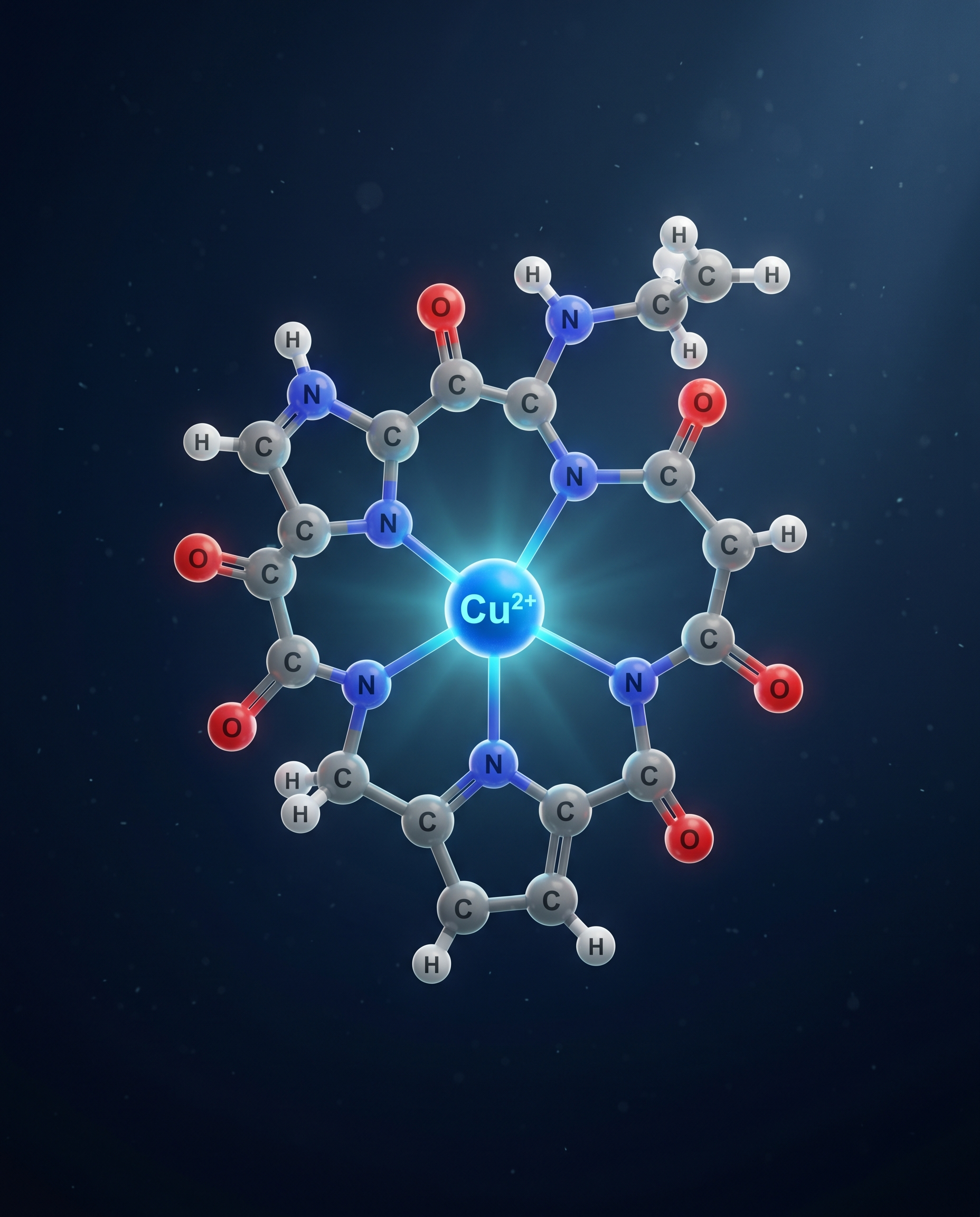
SIDE BY SIDE
WHICH IS BETTER · BY GOAL
GHK-Cu directly induces collagen, elastin, and glycosaminoglycan synthesis in dermal fibroblasts (Pickart 2008 PMID 18644225). This is the core characterized mechanism.
BPC-157 has the Sikiric multi-paper rat-model evidence base for gastric and intestinal cytoprotection. GHK-Cu is not specifically studied in gut biology.
Animal-model evidence for BPC-157 in Achilles detachment (Krivic 2006 PMID 16583442) and transected quadriceps (Staresinic 2006 PMID 16609979). GHK-Cu not specifically studied in tendon repair.
GHK-Cu enlarges hair follicles and prolongs the anagen phase in rodent models. BPC-157 not specifically studied in hair biology.
STACKING NOTE
GHK-Cu + BPC-157 + TB-500 is the Wolverine Blend formulation · combining matrix synthesis (GHK-Cu), cytoprotection (BPC-157), and cell migration (TB-500) across the major stages of tissue repair. No peer-reviewed publication studies the three-component blend as a unit.
SOURCED FROM GIGACOMPOUNDS
Both compounds are available as research-grade material at GigaCompounds · ≥99% purity · per-batch CoA. For laboratory research use only.