GHK-Cu VS TB-500
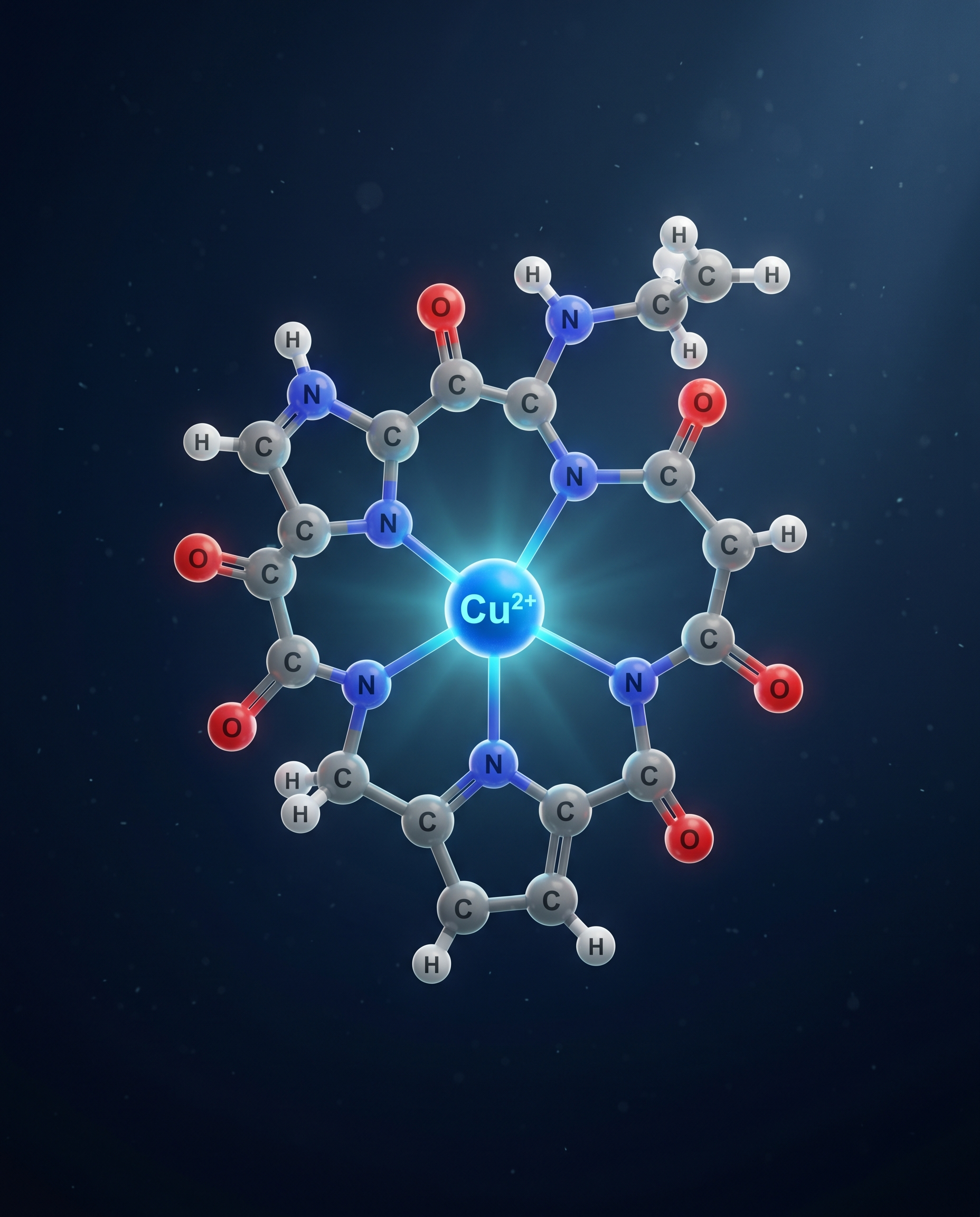
GHK-Cu and TB-500 both appear in dermal and tissue-remodeling research but with completely different mechanisms. GHK-Cu is a copper-binding tripeptide driving transcriptional induction of collagen, elastin, and matrix synthesis. TB-500 is an actin-cytoskeleton modulator promoting cell migration. The two are complementary · GHK-Cu builds the matrix, TB-500 moves the cells into it.
SIDE BY SIDE
WHICH IS BETTER · BY GOAL
GHK-Cu directly induces collagen, elastin, and glycosaminoglycan synthesis in dermal fibroblasts. This is its core mechanism.
TB-500's actin-cytoskeleton mechanism drives endothelial and stem-cell migration into injury sites · the cell-recruitment phase of healing.
GHK-Cu enlarges hair follicles and prolongs the anagen phase in rodent models. TB-500 not specifically studied in hair biology.
Thymosin Beta-4 / TB-500 has the Bock-Marquette 2004 Nature paper on mouse MI. GHK-Cu not specifically studied in cardiac repair.
STACKING NOTE
GHK-Cu + TB-500 + BPC-157 is the Wolverine Blend formulation · combining matrix synthesis (GHK-Cu) with cell migration (TB-500) and cytoprotection (BPC-157) across the major stages of tissue repair.
SOURCED FROM GIGACOMPOUNDS
Both compounds are available as research-grade material at GigaCompounds · ≥99% purity · per-batch CoA. For laboratory research use only.