IGF-1 LR3 VS GH FRAGMENT (LIPOLYTIC)
IGF-1 LR3 and AOD-9604 represent the two opposing halves of the growth-hormone axis research conversation. IGF-1 LR3 is the long-acting downstream anabolic effector (IGF-1R agonist, extends plasma half-life via reduced IGFBP binding). AOD-9604 is the upstream lipolytic fragment of hGH (residues 176-191), engineered to retain fat-oxidation activity without IGF-1 elevation. Anabolic vs lipolytic, downstream vs fragment.
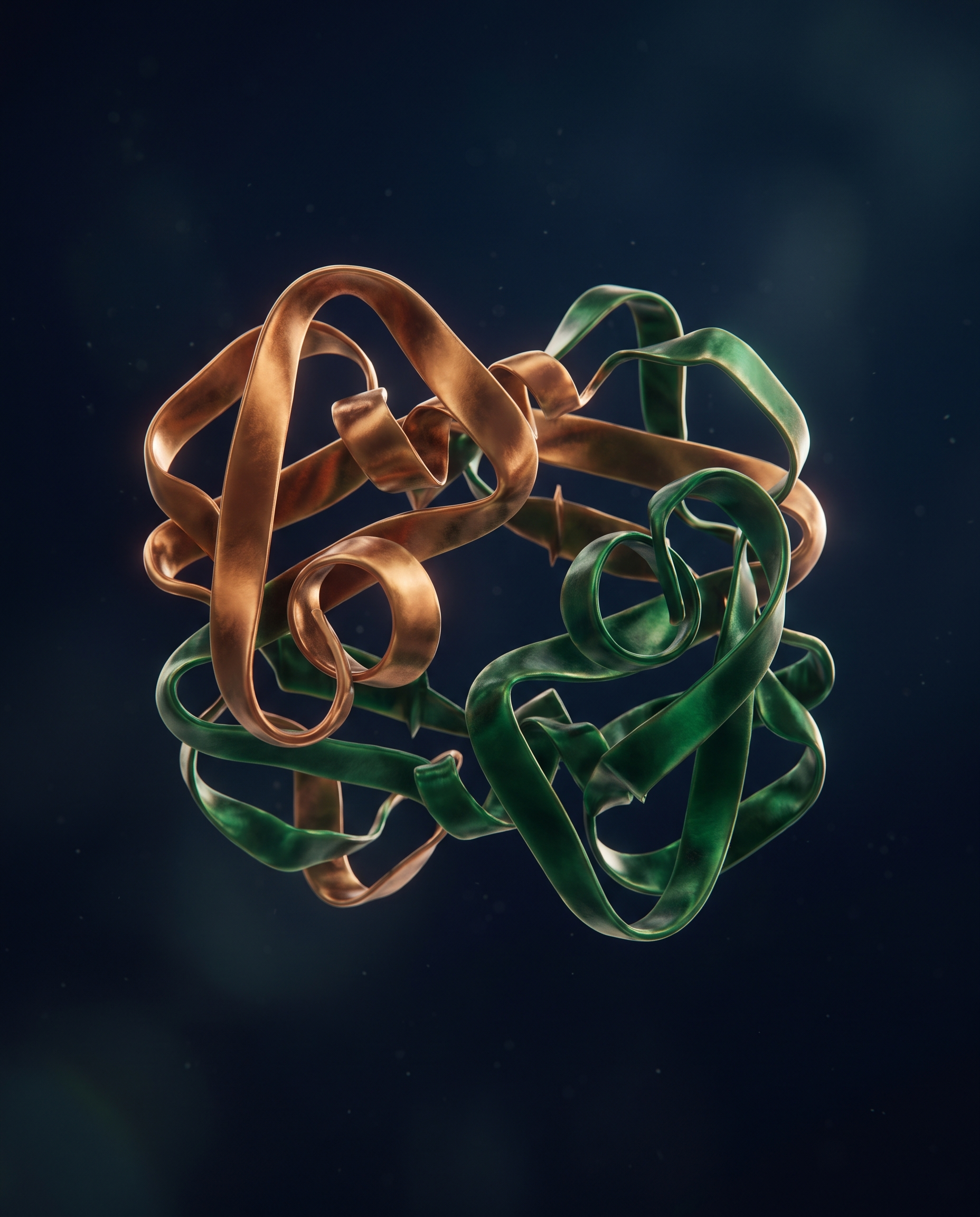
Long R3 IGF-1 · extended half-life anabolic research compound
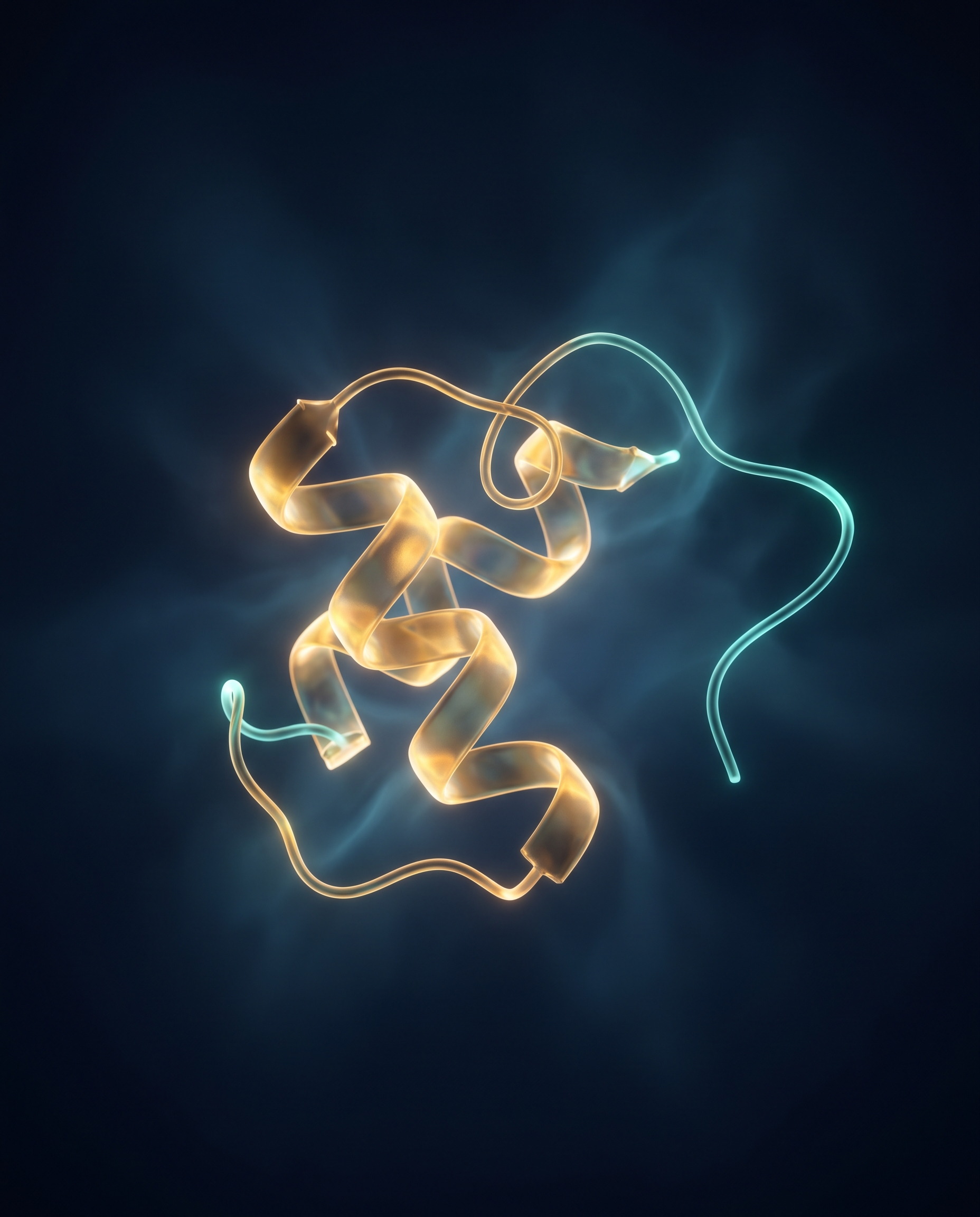
Synthetic C-terminal HGH fragment · lipolytic research
SIDE BY SIDE
WHICH IS BETTER · BY GOAL
Tomas 1993 (J Endocrinol) reported increased protein synthesis in rat skeletal muscle with LR3-IGF-1. AOD-9604 was not designed for anabolic activity.
AOD-9604 was specifically engineered to retain hGH's lipolytic activity without driving IGF-1 elevation. The clinical Phase 2b did not meet primary weight-loss endpoint but the pharmacological design is the cleaner lipolytic probe.
AOD-9604 has the 12-week Metabolic Pharmaceuticals Phase 2b on record (1 mg/day, did not meet primary endpoint). IGF-1 LR3 does not have a completed human Phase 3 trial.
LR3 modification extends half-life from ~10 min (native IGF-1) to ~6 hr (LR3) · the engineering goal. AOD-9604 remains a short-half-life fragment.
STACKING NOTE
IGF-1 LR3 + AOD-9604 are sometimes referenced together in community body-composition research as a 'lipolytic + anabolic' framing. No published RCT validates the combination. Both are WADA-prohibited under S2.
SOURCED FROM GIGACOMPOUNDS
Both compounds are available as research-grade material at GigaCompounds · ≥99% purity · per-batch CoA. For laboratory research use only.