MOTS-c VS NAD+
Both are longevity-research compounds acting on cellular bioenergetics · but at different layers of the system. NAD+ is the endogenous redox coenzyme and obligate substrate of sirtuins and PARPs. MOTS-c is a mitochondrial-encoded 16-amino-acid peptide that activates AMPK and modulates nuclear gene expression in response to mitochondrial state. Different molecular categories (coenzyme vs peptide), complementary biology.

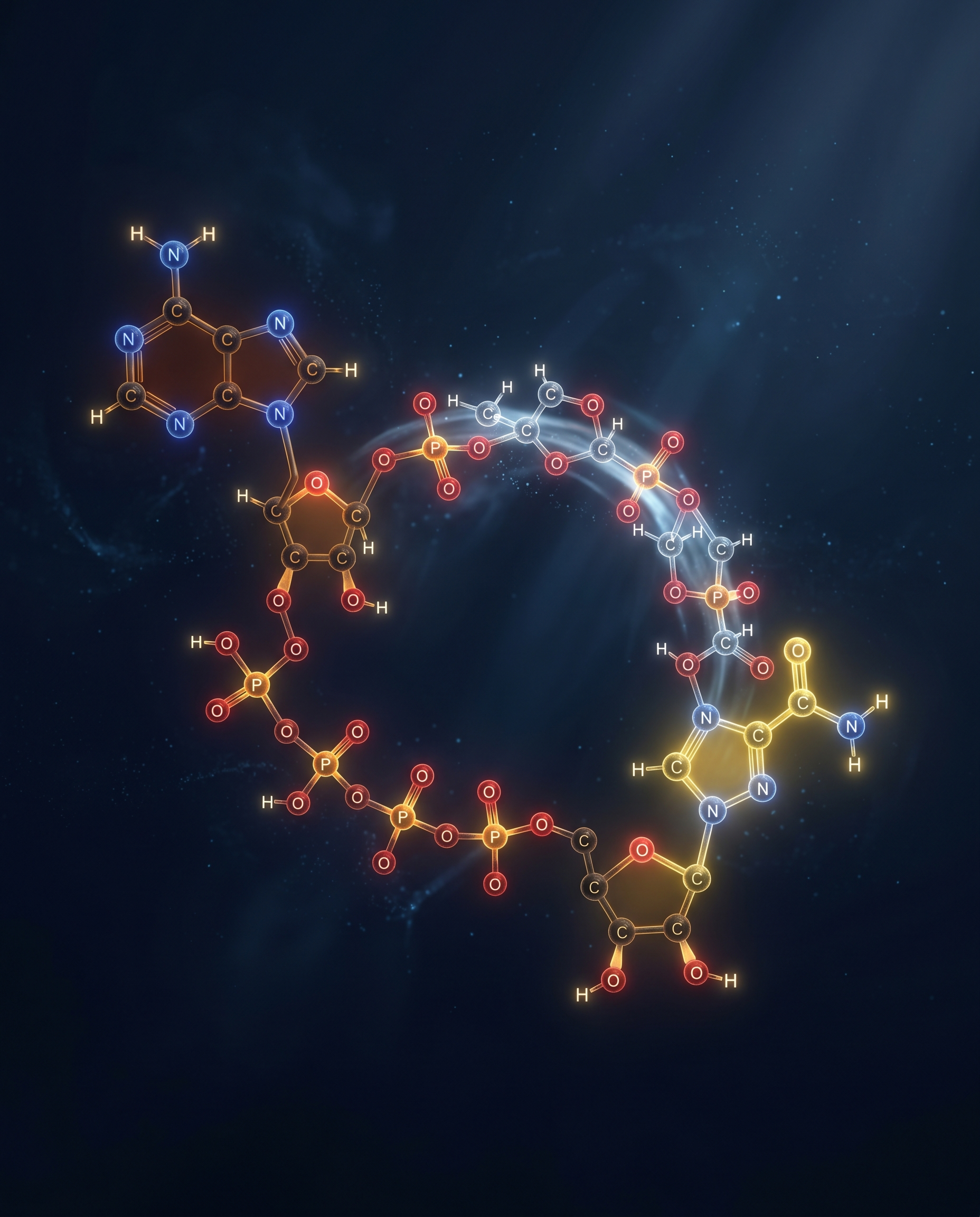
SIDE BY SIDE
WHICH IS BETTER · BY GOAL
MOTS-c has direct evidence in diet-induced obese mice (Lee 2015 PMID 25738459) for reversing insulin resistance via AMPK activation.
PARPs are NAD+-dependent enzymes. DNA-damage response consumes NAD+ stoichiometrically. This is NAD+ biology.
MOTS-c is the canonical mitochondrial-derived exercise mimetic. Released from mitochondria during exercise; exogenous administration reproduces some conditioning effects in sedentary aged rodents.
Sirtuins are NAD+-dependent class-III deacylases. Activity scales with NAD+ availability.
STACKING NOTE
NAD+ + MOTS-c is the Cellular Bioenergetics stack · upstream coenzyme (NAD+) + downstream signaling response (MOTS-c) for combined longevity-pathway research.
SOURCED FROM GIGACOMPOUNDS
Both compounds are available as research-grade material at GigaCompounds · ≥99% purity · per-batch CoA. For laboratory research use only.